Auto Repair In Littleton
That You Can Trust Book Appointment Get Your 2nd Opinion
That You Can Trust Book Appointment Get Your 2nd Opinion

Cars, Trucks, SUV & Hybrid Auto Repair
Call Dakota Ridge Auto Today!
Call Dakota Ridge Auto Today!
If you drive a hybrid in Littleton or the surrounding area, you already know these vehicles are built differently.
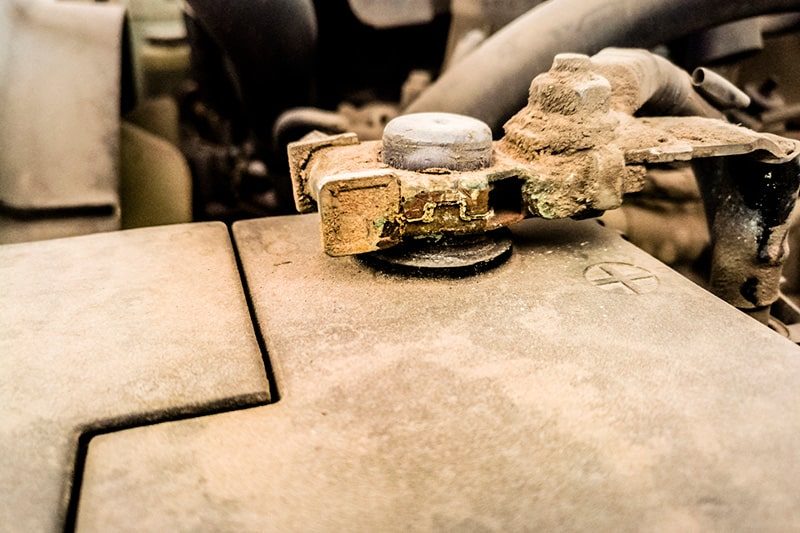
If you drive a hybrid in Littleton or the surrounding area, you already know these vehicles are built differently. They’re more fuel-efficient, better for the environment, and often last longer than traditional gas-powered cars. But that unique design also means hybrid repairs require a different approach. At Dakota Ridge Auto, we’ve seen what happens when hybrid owners put off maintenance or ignore warning signs. The results aren’t pretty, and they’re almost always more expensive than catching problems early.
The truth is, hybrids have components that conventional vehicles simply don’t have. High-voltage battery packs, regenerative braking systems, inverters, and specialized transmissions all work together in ways that demand expert attention. When something goes wrong, it’s not always obvious, and taking your hybrid to a shop without the right training can lead to bigger headaches down the road.
So let’s talk about the hybrid repairs you really shouldn’t ignore, what to watch for, and why acting fast matters more than you might think.
Hybrid vehicles aren’t just regular cars with a battery bolted on. They’re complex machines where the gasoline engine and electric motor have to work together seamlessly. That coordination happens through sophisticated computer systems, high-voltage wiring, and components that require specialized diagnostic equipment to evaluate properly.
Here’s the thing: not every mechanic is trained to work on hybrids safely. The battery packs in these vehicles operate at voltages high enough to cause serious injury if handled incorrectly. That’s why hybrid repair requires ASE-certified technicians who understand the unique safety protocols and have access to the right tools.
At Dakota Ridge Auto, our technicians are trained to handle the high-voltage systems found in today’s hybrids. We use computerized diagnostics to identify problems accurately, whether it’s an issue with the battery pack, the electric motor, or the way these systems communicate with each other. Without that expertise, a simple repair can turn into a guessing game that wastes your time and money.
Another factor? Hybrids have components that wear differently than traditional vehicles. The regenerative braking system, for example, captures energy that would otherwise be lost during braking. It’s a clever design, but it also means brake components experience different stresses. The cooling systems for hybrid batteries need regular attention too, since overheating is one of the fastest ways to destroy an expensive battery pack.
Bottom line: if you own a hybrid, you need a shop that understands how all these pieces fit together. Generic auto repair knowledge isn’t enough.
The hybrid battery is the heart of your vehicle’s electric system. When it starts to fail, you’ll notice, but the symptoms aren’t always what you’d expect. Catching these warning signs early can mean the difference between a manageable repair and a full battery replacement that costs thousands of dollars.
Watch for these indicators:
Hybrid batteries are made up of multiple individual cells working together. Over time, some cells degrade faster than others. When this happens, you’ll experience imbalanced charging, meaning some cells fill up quickly while others lag behind. The result? Your battery can’t reach a full charge, and it discharges faster than it should.
Degraded cells force your hybrid to rely more heavily on the gasoline engine. That defeats the whole purpose of owning a hybrid and hits you in the wallet every time you fill up. In some cases, we can recondition or replace individual cells rather than the entire battery pack, but only if the problem is caught before it spreads.
Your hybrid battery generates heat during charging and discharging. That’s normal. What’s not normal is when the cooling system can’t keep up. Most hybrids have a dedicated cooling system for the battery, often using fans and air ducts to maintain the right temperature.
When cooling fails, battery temperatures climb. High heat accelerates degradation, and before long, you’re looking at permanent damage. Warning lights may appear, or you might notice the cooling fan running constantly. Either way, don’t wait. Bring your hybrid in for inspection if you suspect any cooling issues. Replacing a fan or cleaning blocked vents is far cheaper than replacing an overheated battery.
Hybrid brakes work differently than what you’re used to. Instead of relying solely on traditional friction brakes, hybrids use regenerative braking to capture kinetic energy and convert it back into electricity for the battery. It’s an elegant system, but it introduces some unique repair considerations.
The good news? Regenerative braking typically means your brake pads and rotors last longer because they’re not doing all the work. The not-so-good news? When something does go wrong, it’s often more complex to diagnose.
Here’s what to watch for:
Because the braking system in a hybrid is integrated with the electric motor and battery, problems here can affect overall vehicle performance. A shop without hybrid experience might replace brake pads without realizing there’s a deeper electrical issue causing the symptoms.
Regular brake inspections are important for any vehicle, but for hybrids, those inspections need to include a look at the regenerative system and how it’s interacting with the rest of the vehicle. Our technicians at Dakota Ridge Auto check the complete braking system, including components that are specific to hybrid vehicles.
The inverter is one of those components most people never think about until it fails. Its job is to convert DC power from the battery into AC power for the electric motor. Without a functioning inverter, your hybrid’s electric side goes dark.
Symptoms of inverter problems often overlap with battery issues, which is why proper diagnosis matters so much. You might see hybrid warning lights, experience sudden power loss, or find that your vehicle operates only on the gasoline engine. Some drivers describe a “limp mode” where the car barely moves, while others experience complete failure to start.
Electric motor problems are less common but equally serious. These motors are designed to last, but issues with bearings, windings, or connections can develop over time. Unusual sounds, vibrations, or reduced power output can all point to motor trouble.
Here’s the challenge: both inverter and motor problems require specialized diagnostic equipment to identify accurately. A generic code reader might tell you something is wrong with the hybrid system, but it won’t pinpoint whether it’s the inverter, the motor, the wiring, or a simple fuse that’s caused the issue.
We’ve seen cases where a blown fuse was the culprit, which is a simple fix. We’ve also seen cases where the inverter needed replacement, which is a more involved repair but still better than the alternative of ignoring the problem and damaging other components. The key is getting an accurate diagnosis first.
Most hybrids use something called an e-CVT, which stands for electronically controlled continuously variable transmission. Unlike traditional transmissions with distinct gears, an e-CVT provides seamless power delivery by blending output from the electric motor and gas engine.
When this system works properly, you barely notice it. When it doesn’t? You’ll know.
Signs of transmission trouble in a hybrid include:
Transmission problems in any vehicle are urgent, but in a hybrid, delays can be especially costly. The e-CVT is tightly integrated with the electric motor and battery management system. A failing transmission can cause cascading issues that affect other expensive components.
If you notice any of these symptoms, don’t try to drive through it and hope it goes away. Getting your hybrid inspected promptly can prevent a manageable repair from becoming a major overhaul. Our team has experience diagnosing and repairing hybrid transmissions, and we’ll explain exactly what we find before recommending any work.
Let’s be honest: nobody wants to spend money on car repairs. But with hybrids, procrastination almost always makes things worse.
Consider the numbers. A hybrid battery replacement can run anywhere from $2,000 to $8,000 or more, depending on your vehicle. That’s a significant expense. But here’s the thing: catching battery problems early sometimes means reconditioning or replacing individual cells instead of the whole pack, which costs a fraction of the price.
Same goes for other systems. A minor cooling issue that’s fixed promptly might cost a couple hundred dollars. Left unchecked, that same issue can destroy a battery worth thousands. An inverter problem caught early might be a fuse or connection issue. Ignored, it can lead to motor damage that compounds repair costs.
There’s also the daily impact on your wallet. When hybrid systems aren’t functioning correctly, your fuel efficiency drops dramatically. Some owners report efficiency losses of 20 to 50 percent when their battery isn’t holding a proper charge. That extra gas adds up quickly, week after week.
And then there’s the risk of being stranded. Hybrid system failures don’t always give you much warning before they leave you on the side of the road. Nobody wants to deal with a breakdown on C-470 during rush hour, especially when a simple inspection could have prevented it.
The best approach is regular maintenance and addressing warning signs as soon as they appear. It’s not just about saving money, though that’s a big part of it. It’s about keeping your vehicle reliable so you can trust it to get you where you need to go.
Owning a hybrid in Littleton means enjoying better fuel economy and doing your part for the environment. But it also means understanding that these vehicles have unique needs. The battery system, regenerative brakes, inverter, electric motor, and transmission all require attention from technicians who know what they’re looking at.
The hybrid repairs we’ve covered aren’t just maintenance items you can push off indefinitely. Warning lights, reduced performance, unusual sounds, and declining fuel economy are all signals that something needs attention now, not later. Waiting only makes repairs more expensive and increases your chances of an unexpected breakdown.
At Dakota Ridge Auto in Littleton, we specialize in hybrid auto repair alongside all the other services you’d expect from a full-service shop. Our ASE Master Certified technicians have the training and equipment to diagnose and repair hybrid systems correctly. We’re AAA Approved, ASE Master Certified, and we back our work with a 48-month, 50,000-mile warranty on parts and labor.
If you’ve noticed any of the warning signs we’ve discussed, or if it’s simply been a while since your hybrid had a thorough inspection, give us a call or stop by. We’ll take a look, explain what we find in plain language, and only perform the repairs you approve. Your hybrid is an investment worth protecting, and we’re here to help you do exactly that.
Critical hybrid repairs you shouldn’t ignore include battery system warning lights, cooling system failures, regenerative brake issues, inverter malfunctions, and transmission problems. Delaying these repairs often leads to cascading damage that affects multiple expensive components, turning minor fixes into major overhauls costing thousands of dollars.
Common signs of hybrid battery failure include dashboard warning lights, sudden drops in fuel economy, sluggish acceleration, the gas engine running more than usual, erratic battery gauge readings, and unusual buzzing or clicking sounds. Catching these symptoms early can save you from a full battery replacement costing $2,000 to $8,000.
Hybrid vehicles operate with high-voltage battery packs that can cause serious injury if handled incorrectly. They also require specialized diagnostic equipment to properly evaluate complex systems like regenerative braking, inverters, and electric motors. ASE-certified technicians trained in hybrid safety protocols ensure accurate diagnosis and safe repairs.
Hybrid brake pads generally last longer than those in conventional vehicles because regenerative braking does much of the work, reducing wear on friction brakes. Many hybrid owners see brake pads last 70,000 to 100,000 miles, though this varies based on driving conditions and how effectively the regenerative system captures energy.
Hybrid limp mode is often triggered by inverter failures, battery system malfunctions, or transmission problems. The vehicle limits power to protect critical components from further damage. This requires immediate professional diagnosis since symptoms can stem from something as simple as a blown fuse or as serious as motor damage.
Yes, in many cases individual degraded cells can be reconditioned or replaced rather than replacing the entire hybrid battery pack. This costs a fraction of full replacement, but it only works if problems are caught early before damage spreads to other cells. Regular inspections help identify cell imbalances before they worsen.
Bring it by and we will tell you what it needs and what it does not. No charge to look, no pressure either way.
Open Monday through Friday, 8:00am to 5:30pm. Courtesy shuttle within about five miles.