
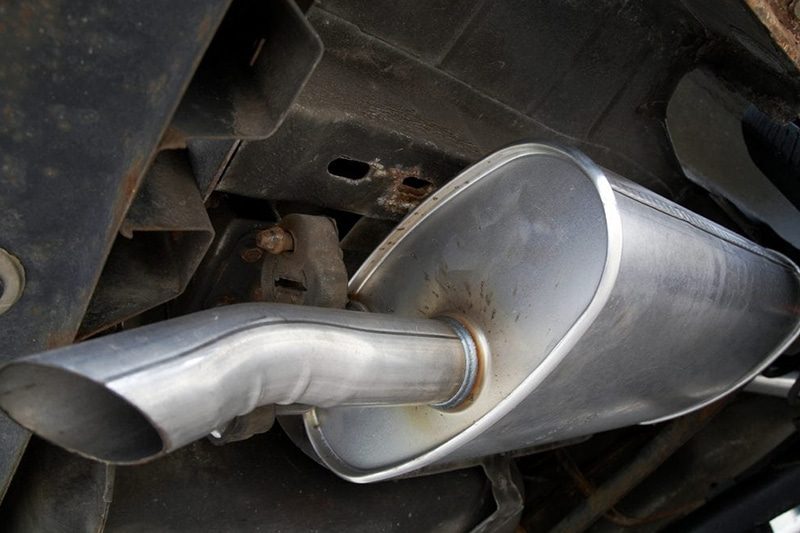
There’s nothing quite like that moment when you step out of your car and catch a whiff of something… off. Maybe it’s a sulfur-like stench that reminds you of rotten eggs. Or perhaps it’s a sickeningly sweet smell that doesn’t belong anywhere near your vehicle. Either way, your nose is trying to tell you something important.
Strange exhaust smells are more than just unpleasant, they’re often the first sign that something’s going wrong under the hood. At Dakota Ridge Auto in Littleton, Colorado, we’ve seen countless vehicles roll into our shop because an owner finally decided to investigate that weird odor coming from the tailpipe. And here’s the thing: the sooner you address these smells, the less likely you are to face a major repair bill down the road.
In this guide, we’ll walk you through the most common exhaust odors, what causes them, and when it’s time to bring your vehicle in for a professional diagnosis. Your exhaust system is trying to communicate with you, let’s learn how to listen.
What a Healthy Exhaust Should Smell Like
Before we jump into the warning signs, let’s establish a baseline. What should your exhaust actually smell like when everything’s working properly?
Honestly? Not much of anything. A healthy exhaust system produces emissions that are largely odorless to the average person standing near the tailpipe. You might detect a faint, slightly warm smell, sort of metallic or neutral, but nothing that makes you wrinkle your nose or step back.
Modern vehicles are equipped with sophisticated emission control systems, including the catalytic converter, that work to neutralize harmful gases before they exit the tailpipe. When these systems are functioning correctly, the byproducts are mostly water vapor and carbon dioxide, neither of which has a strong odor.
Some slight variation is normal. On cold mornings, you might notice more visible exhaust vapor (that’s just water condensation) and a slightly stronger smell as the engine warms up. This typically dissipates within a few minutes of driving. Diesel vehicles tend to have a more noticeable exhaust odor than gasoline engines, but even then, it shouldn’t be overpowering or distinctly foul.
The bottom line: if you’re noticing a persistent, strong, or unusual smell from your exhaust, that’s your cue to pay attention. Your vehicle is signaling that something in the combustion or emission process isn’t quite right.
Rotten Egg or Sulfur Smell
This is probably the most commonly reported, and most alarming, exhaust odor. If your tailpipe smells like rotten eggs or sulfur, you’re not imagining things. That distinctive stench typically points to one of two culprits: your catalytic converter or your fuel system.
Catalytic Converter Issues
The catalytic converter is designed to convert hydrogen sulfide (a natural byproduct of gasoline combustion) into odorless sulfur dioxide. When the converter is working properly, you never smell that sulfur. But when it starts to fail, those sulfur compounds slip through unconverted, producing that unmistakable rotten egg smell.
A failing catalytic converter might be clogged, overheating, or simply worn out. This is especially common in vehicles with higher mileage. You might also notice reduced engine performance, decreased fuel economy, or a check engine light accompanying the smell.
Ignoring a bad catalytic converter isn’t just unpleasant, it can lead to engine damage and will almost certainly cause you to fail an emissions test. At Dakota Ridge Auto, our exhaust repair services include full catalytic converter diagnostics. We can determine whether a repair or replacement is necessary and get you back on the road without that awful smell.
Fuel System Problems
Sometimes the sulfur smell isn’t about the converter at all, it’s about what’s being fed into it. If your engine is running too rich (meaning there’s too much fuel in the air-fuel mixture), the excess fuel can overwhelm the catalytic converter’s ability to process sulfur compounds.
This rich condition can stem from several issues: a faulty fuel pressure regulator, clogged fuel injectors, a malfunctioning oxygen sensor, or even using low-quality fuel with high sulfur content. Our fuel injection and ignition services can identify the root cause and restore proper fuel system balance.
Either way, a rotten egg smell deserves prompt attention. It’s one of those odors that won’t go away on its own and usually indicates a problem that’s only going to get worse.
Sweet or Syrupy Smell
A sweet, almost maple syrup-like smell coming from your exhaust is deceptively pleasant, but it’s actually a red flag. This odor almost always indicates a coolant leak somewhere in your engine or cooling system.
Coolant (also called antifreeze) contains ethylene glycol, which has that characteristic sweet smell. When coolant leaks into the combustion chamber, it gets burned along with the fuel and exits through the exhaust, carrying that sugary scent with it.
So how does coolant end up where it shouldn’t be? The most common culprits include:
- Blown head gasket: This is the seal between your engine block and cylinder head. When it fails, coolant can seep into the combustion chamber.
- Cracked cylinder head or engine block: More severe (and expensive) than a gasket failure, but produces the same symptoms.
- Leaking intake manifold gasket: Allows coolant to enter the engine’s air intake system.
- Failing heater core: While this typically produces a sweet smell inside the cabin rather than from the exhaust, it’s worth mentioning.
Along with the sweet exhaust smell, watch for white smoke coming from the tailpipe, an overheating engine, or a dropping coolant level without any visible external leaks. These symptoms together strongly suggest coolant is being burned internally.
We can’t stress this enough: don’t ignore a sweet exhaust smell. Coolant leaks can lead to catastrophic engine damage if left unchecked. Our engine cooling and radiator repair services at Dakota Ridge Auto are designed to catch these issues early, before a minor leak becomes a major headache. We use computerized diagnostics to pinpoint exactly where the problem lies.
Burning Oil Smell
There’s a distinctive acrid, almost bitter smell that comes with burning oil, and if you’re picking it up from your exhaust, it means oil is finding its way into places it shouldn’t be.
Oil can enter the combustion chamber through several paths. Worn piston rings allow oil to slip past and get burned along with the fuel mixture. Deteriorating valve seals can let oil drip down into the cylinders. Or you might have an external oil leak that’s dripping onto hot exhaust components, creating that burning smell even though the oil isn’t technically going through the tailpipe.
Here’s what to watch for alongside that burning oil smell:
- Blue or gray exhaust smoke: A telltale sign that oil is being burned in the combustion process.
- Decreasing oil levels: If you’re topping off more frequently than usual, oil is going somewhere.
- Fouled spark plugs: Oil contamination can cause misfires and rough running.
- Reduced engine performance: Burning oil affects combustion efficiency.
Some older vehicles with higher mileage do burn small amounts of oil, and that’s considered somewhat normal. But if the smell is strong or the smoke is persistent, you’re dealing with a problem that needs attention.
At Dakota Ridge Auto, our engine repair services can diagnose whether you’re looking at worn rings, bad valve seals, or a simpler external leak. Sometimes it’s as straightforward as replacing a gasket: other times, more extensive engine work is required. Either way, catching oil consumption issues early protects your engine’s longevity.
Gasoline or Fuel Smell
Raw gasoline has an unmistakable smell, and it’s one you definitely shouldn’t be detecting from your exhaust in any significant quantity. A strong fuel odor usually means unburned gasoline is making its way through your system, and that’s both a performance problem and a potential safety hazard.
Several issues can cause this:
Fuel injector problems: If an injector is stuck open or leaking, it can flood the cylinder with more fuel than can be properly burned. This excess fuel exits through the exhaust unburned, creating that gasoline smell.
Ignition system failures: Misfiring spark plugs or faulty ignition coils mean fuel isn’t being ignited properly. What doesn’t burn in the cylinder ends up in the exhaust.
Engine running too rich: As we mentioned earlier, an overly rich air-fuel mixture puts more fuel into the engine than it can efficiently combust. Oxygen sensor failures, faulty mass airflow sensors, or computer issues can all cause this condition.
Fuel system leaks: While less common, actual leaks in fuel lines, the fuel rail, or injector seals can allow raw fuel to evaporate or drip onto hot components.
A gasoline smell isn’t something to shrug off. Unburned fuel can damage your catalytic converter over time, and any fuel leak near hot engine components creates a fire risk. If you’re smelling raw gas, it’s time for a check engine light diagnostic and fuel system inspection.
Our technicians at Dakota Ridge Auto use computerized diagnostics to trace fuel system issues quickly. Whether it’s a simple sensor replacement or a more involved fuel injection service, we’ll identify the problem and explain your options clearly.
Musty or Mildew Smell
Okay, this one’s a bit different. A musty, mildew-like smell isn’t typically coming from your exhaust system itself, but it’s commonly mistaken for an exhaust issue because drivers notice it when running their vehicle.
That damp, basement-like odor usually originates from your HVAC system. Moisture accumulates in the air conditioning evaporator and drain lines, creating a breeding ground for mold and bacteria. When you turn on the heat or AC, that musty air gets blown into the cabin, and sometimes drivers associate it with the car running rather than the climate control specifically.
But, there are exhaust-related causes for musty smells too:
- Exhaust leaks near the cabin: If you have a leak in the exhaust system under the vehicle, fumes can enter the passenger compartment through floor seals or rust holes, sometimes carrying unusual odors.
- Water in the exhaust: Excessive condensation that doesn’t burn off can create stale, damp smells.
The key question is: where is the smell strongest? If it’s coming through your vents, it’s likely an AC and heating issue. If it seems to be emanating from outside or underneath the vehicle, you might have an exhaust leak or other system problem.
Either way, musty smells shouldn’t be ignored. Mold in your HVAC system can aggravate allergies and respiratory issues, while exhaust leaks pose carbon monoxide risks. We offer both car air conditioning and heater repair and exhaust repairs at Dakota Ridge Auto, so we can track down the source regardless of where it’s coming from.
When to See a Mechanic
So your exhaust smells funny, how urgent is it, really? Here’s our honest take on when to act.
Come in immediately if:
- You smell raw gasoline strongly (fire hazard)
- You’re experiencing dizziness, headaches, or nausea while driving (possible exhaust/carbon monoxide leak into cabin)
- The smell is accompanied by visible smoke, steam, or fluid leaks
- Your check engine light is flashing (not just illuminated, but flashing)
- You notice significant performance problems alongside the odor
Schedule an appointment soon if:
- The rotten egg smell is persistent but your car is running okay otherwise
- You notice a sweet smell but no overheating yet
- The burning oil smell is occasional or mild
- Your check engine light is on steady
Monitor but don’t panic if:
- The smell only occurs briefly during cold starts and goes away
- You just filled up with new gas and notice a temporary change (could be the fuel itself)
- The odor is very faint and inconsistent
At Dakota Ridge Auto, we provide free estimates and honest assessments. Our ASE Master Certified technicians can quickly determine whether you’re dealing with something minor or a repair that needs immediate attention. We work on all makes and models, foreign or domestic, and back our work with a 48-month/50,000-mile warranty on parts and labor.
Don’t let a strange smell turn into an expensive repair. Bring your vehicle in, and we’ll diagnose exactly what’s going on. We’ll explain everything in plain English and only make repairs once we have your approval.
Conclusion
Your vehicle’s exhaust system does more than just route fumes away from the cabin, it’s actually a sophisticated diagnostic tool when you know what to look (or smell) for. That rotten egg odor might be your catalytic converter calling for help. A sweet syrupy smell could be coolant leaking where it shouldn’t. And raw gasoline? That’s never something to brush off.
The key takeaway here is simple: trust your nose. If something smells wrong, it probably is. These odors rarely resolve themselves, and ignoring them typically leads to bigger problems and bigger repair bills.
At Dakota Ridge Auto in Littleton, Colorado, we’ve been helping local drivers decode these warning signs for years. From exhaust repairs and check engine light diagnostics to complete engine and fuel system services, our team has the tools and expertise to identify what’s causing that strange smell, and fix it right the first time.
Not sure whether your exhaust smell warrants a visit? Give us a call or stop by. We’re happy to take a quick look and let you know where you stand. Because when it comes to your vehicle’s health, a little prevention goes a long way.