
Learn what factory-scheduled maintenance includes, from oil changes to timing belt replacements. Discover key mileage milestones and why following your schedule matters.
What Factory-Scheduled Maintenance Includes: A Complete Guide for Car Owners
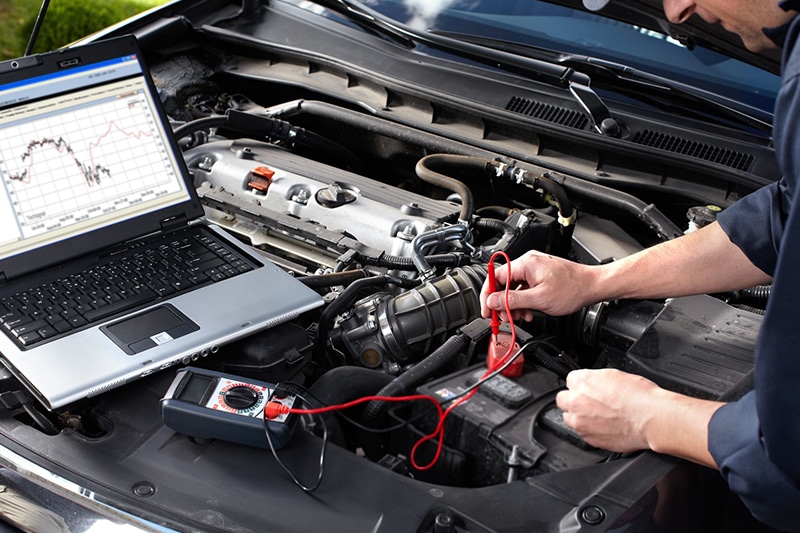
Every vehicle comes with a built-in roadmap for keeping it running well. It’s called factory-scheduled maintenance, and it’s the manufacturer’s way of telling you exactly what your car needs and when it needs it. Think of it as a wellness plan for your vehicle, designed by the people who built it.
At Dakota Ridge Auto in Littleton, Colorado, we perform factory-scheduled maintenance for all makes and models, from Audi to Volkswagen and everything in between. We’ve seen firsthand how staying on top of these services can mean the difference between a car that lasts 100,000 miles and one that’s still going strong at 200,000.
But here’s the thing: a lot of drivers aren’t quite sure what factory-scheduled maintenance actually includes. Is it just oil changes? What about those 30,000-mile services everyone talks about? And do you really need to follow every recommendation, or is some of it overkill?
Let’s break it all down so you know exactly what to expect and why it matters.
Key Takeaways
- Factory-scheduled maintenance is a manufacturer-designed plan that outlines specific services at set mileage intervals to keep your vehicle running reliably.
- Common services include oil changes, fluid replacements, brake inspections, tire rotations, and filter changes—all timed to address wear before it becomes a costly failure.
- Major maintenance milestones occur at 15,000, 30,000, 60,000, and 90,000–100,000 miles, with more involved services required as mileage increases.
- Following your factory-scheduled maintenance protects your warranty, preserves resale value, and can extend your vehicle’s lifespan to 200,000 miles or more.
- Check your owner’s manual for both normal and severe driving schedules, since stop-and-go traffic and short trips may require more frequent maintenance.
- A qualified independent shop with ASE-certified technicians can perform factory-scheduled maintenance to manufacturer specifications, often at a lower cost than dealerships.
Understanding Factory-Scheduled Maintenance
Factory-scheduled maintenance is a set of routine services and inspections that your vehicle’s manufacturer has mapped out at specific mileage intervals. These aren’t random suggestions. They’re based on extensive engineering research and real-world testing to determine exactly when parts and fluids typically need attention or replacement.
Your owner’s manual contains the full schedule, though many drivers never crack it open. Inside, you’ll find recommendations for everything from oil changes to timing belt replacements, organized by mileage or time intervals (whichever comes first).
Why does this matter? Because your car is made up of hundreds of components that wear out at different rates. The engineers who designed your vehicle know, for example, that your coolant will start to degrade around 30,000 miles, or that your spark plugs will lose efficiency somewhere around 60,000 to 100,000 miles depending on the type. The factory schedule takes the guesswork out of car care.
It’s also worth noting that factory-scheduled maintenance is different from repairs. Maintenance is proactive. It’s about catching wear before it becomes a problem. Repairs happen after something has already gone wrong. Following the maintenance schedule is how you avoid ending up on the side of the road wondering why your engine overheated.
Common Services in Factory-Scheduled Maintenance
So what actually gets done during these scheduled services? Here’s a breakdown of the most common items you’ll encounter.
Oil and Filter Changes
Oil changes are the foundation of factory-scheduled maintenance. Fresh oil keeps your engine properly lubricated, reduces friction between moving parts, and helps carry heat away from critical components. Over time, oil breaks down and collects contaminants, which is why regular changes are so important.
Most modern vehicles call for oil changes every 5,000 to 7,500 miles, though some synthetic oils can go longer. Your owner’s manual will have the specific recommendation for your car. And yes, the oil filter gets replaced at the same time since it’s the component responsible for catching all those contaminants.
Fluid Inspections and Replacements
Your car runs on more than just gasoline and motor oil. There’s also:
- Coolant (antifreeze) that regulates engine temperature
- Transmission fluid that keeps your gears shifting smoothly
- Brake fluid that transfers the pressure from your pedal to your brake calipers
- Power steering fluid that makes turning the wheel effortless
- Differential fluid in rear-wheel and all-wheel drive vehicles
These fluids don’t last forever. They degrade over time and with use. Factory maintenance schedules typically call for fluid inspections at regular intervals and full replacements every 30,000 to 60,000 miles, depending on the fluid type and your driving conditions.
Neglecting fluid services can lead to some expensive problems. Low or degraded transmission fluid, for instance, can cause erratic shifting and eventually damage internal components.
Brake System Checks
Brakes are one of those systems you really don’t want to neglect. Factory-scheduled maintenance includes regular brake inspections to check:
- Brake pad and shoe thickness
- Rotor condition and wear patterns
- Brake fluid level and quality
- Brake lines and hoses for leaks or damage
- Caliper function
Brake pads are designed to wear down over time. That’s how they work. The friction material gradually gets used up as you stop. Most pads last anywhere from 25,000 to 70,000 miles depending on your driving habits and the type of pads installed.
At Dakota Ridge Auto, we also offer brake fluid testing and flushing, which is something many drivers overlook. Brake fluid absorbs moisture over time, which can lower its boiling point and reduce braking performance. A full brake fluid flush every 30,000 miles or so keeps your braking system responsive.
Tire Rotations and Alignments
Your tires don’t wear evenly. Front tires typically wear faster than rear tires, and the pattern differs between front-wheel, rear-wheel, and all-wheel drive vehicles. Rotating your tires, usually every 5,000 to 7,500 miles, ensures they wear evenly and last longer.
Factory maintenance also includes periodic wheel alignments, though this is sometimes done as needed rather than at set intervals. Proper alignment prevents uneven tire wear, improves fuel efficiency, and keeps your car tracking straight.
Other tire-related services in the factory schedule include:
- Tire pressure checks
- Tread depth measurements
- Wheel balancing
- Inspection for damage or abnormal wear
Maintenance Intervals and Mileage Milestones
Manufacturers organize their maintenance schedules around specific mileage milestones. While every vehicle is slightly different, most follow a similar pattern.
15,000 Miles (or 1 Year)
This first major service typically includes an oil change, tire rotation, and a multi-point inspection covering lights, wipers, battery, belts, and hoses. It’s a relatively light service designed to establish a baseline and catch any early issues.
30,000 Miles
The 30,000-mile service is where things get more involved. Plus to the basics, you’ll often see:
- Air filter replacement
- Cabin air filter replacement
- Fuel filter inspection or replacement
- Transmission fluid check
- Coolant system inspection
- Brake inspection
This is a good checkpoint for catching wear items before they cause problems.
60,000 Miles
The 60,000-mile service often includes everything from the 30,000-mile service plus:
- Transmission fluid replacement
- Coolant flush and replacement
- Spark plug replacement (on some vehicles)
- Drive belt inspection and possible replacement
- Brake fluid flush
For many vehicles, this is also when the timing belt should be inspected if your car has one. Timing belt replacement is one of the more expensive scheduled maintenance items, but it’s critical. A failed timing belt can cause catastrophic engine damage.
90,000 to 100,000 Miles
This major milestone typically repeats the 30,000-mile services and may include:
- Timing belt replacement (if not done at 60,000)
- Spark plug replacement
- Water pump inspection
- Suspension component inspection
- Steering system check
After 100,000 miles, the cycle essentially repeats, though older vehicles may need more frequent attention as components age.
A Note on Driving Conditions
Your owner’s manual might list two maintenance schedules: normal and severe. Severe driving conditions include things like:
- Frequent short trips (under 10 miles)
- Stop-and-go traffic
- Dusty or dirty roads
- Extreme temperatures
- Towing or carrying heavy loads
If your driving falls into the severe category, and most city driving does, you may need more frequent maintenance than the standard schedule suggests.
Benefits of Following the Factory Maintenance Schedule
You might be wondering if all this scheduled maintenance is really necessary, especially when your car seems to be running fine. Here’s why it matters.
Prevent Unexpected Breakdowns
Routine maintenance catches problems before they leave you stranded. That slightly worn belt gets replaced before it snaps. The coolant gets flushed before it loses its ability to protect against freezing or overheating. It’s the automotive equivalent of going to the doctor for checkups rather than waiting until something is seriously wrong.
Avoid Expensive Repairs
Small maintenance costs now prevent big repair bills later. Changing your transmission fluid every 30,000 to 60,000 miles costs a fraction of what a transmission rebuild would run you. Replacing a timing belt at the recommended interval is far cheaper than repairing the engine damage caused by a broken one.
Maintain Your Warranty
If your vehicle is still under warranty, following the factory maintenance schedule isn’t optional. Skipping required services can void your warranty coverage. If something fails and you can’t show that maintenance was performed, the manufacturer may deny your claim.
Preserve Resale Value
A complete maintenance history is one of the first things buyers and dealers look for when evaluating a used car. Vehicles with documented service records consistently sell for more than those without. It’s proof that the car was cared for properly.
Better Fuel Efficiency and Performance
Fresh oil, clean filters, properly inflated tires, and well-maintained systems all contribute to better fuel economy. A car that’s overdue for maintenance has to work harder, which means burning more fuel and delivering less power.
Longer Vehicle Life
This might be the biggest benefit. Cars that receive regular factory-scheduled maintenance simply last longer. It’s not unusual for a well-maintained vehicle to go 200,000 miles or more. Skip the maintenance, and you’re likely to face major component failures much sooner.
Where to Get Factory-Scheduled Maintenance Performed
You have options when it comes to getting factory-scheduled maintenance done. Understanding those options helps you make the right choice for your situation.
Dealership Service Departments
Dealerships specialize in specific brands and have access to manufacturer-specific training, tools, and parts. The downside? They’re often more expensive, and the experience can feel impersonal.
Independent Auto Repair Shops
A qualified independent shop can perform all the same factory-scheduled maintenance services, often at a lower cost. The key is finding a shop with experienced technicians who know your vehicle.
At Dakota Ridge Auto, our ASE Master Certified technicians work on all makes and models. We have the diagnostic equipment and expertise to perform factory-scheduled maintenance according to manufacturer specifications, whether you drive a domestic vehicle, European import, or hybrid. And we back our work with a 48-month, 50,000-mile warranty on parts and labor.
What to Look For in a Maintenance Provider
When choosing where to have your factory-scheduled maintenance performed, consider:
- Certifications: ASE certification means technicians have passed rigorous testing in their specialty areas
- Reputation: Look for BBB accreditation and customer reviews
- Transparency: A good shop will explain what’s needed and get your approval before doing any work
- Warranty: Find out what kind of guarantee backs the work
- Communication: You want a shop that keeps you informed and answers your questions
We’ve built our reputation in Littleton on honest communication. We’ll tell you what your car needs based on the manufacturer’s recommendations, explain why it matters, and never perform services you haven’t approved.
Conclusion
Factory-scheduled maintenance isn’t just a list of services that manufacturers dreamed up to keep you coming back to the shop. It’s a carefully engineered plan designed to keep your vehicle safe, reliable, and running efficiently for years to come.
The services, from oil changes and fluid replacements to brake inspections and timing belt replacements, are all timed to address wear before it becomes failure. Following the schedule protects your warranty, preserves your car’s value, and saves you money by preventing costly repairs down the road.
Whether you’re due for a routine oil change or approaching one of those major mileage milestones, staying on top of factory-scheduled maintenance is one of the smartest things you can do as a car owner.
If you’re in Littleton or the surrounding area and need help with your vehicle’s factory-scheduled maintenance, we’d be happy to help. Dakota Ridge Auto is a full-service auto repair shop with ASE Master Certified technicians, AAA approval, and an A+ BBB rating. We work on all makes and models, and we’ll always communicate openly about what your car needs. Give us a call or stop by to schedule your next service.
Frequently Asked Questions
What does factory-scheduled maintenance include?
Factory-scheduled maintenance includes oil and filter changes, fluid inspections and replacements (coolant, transmission, brake, power steering), brake system checks, tire rotations, wheel alignments, air filter replacements, spark plug changes, and timing belt inspections—all based on manufacturer-recommended mileage intervals.
How often should I follow my vehicle’s factory maintenance schedule?
Most manufacturers recommend maintenance at key mileage intervals: 15,000, 30,000, 60,000, and 90,000–100,000 miles. However, if you frequently drive in stop-and-go traffic, extreme temperatures, or dusty conditions, you may need more frequent service per the severe driving schedule in your owner’s manual.
What happens at a 30,000-mile service?
The 30,000-mile service typically includes an oil change, tire rotation, air filter replacement, cabin air filter replacement, transmission fluid check, coolant system inspection, and brake inspection. It’s a critical checkpoint for identifying wear items before they cause more expensive problems.
Can I get factory-scheduled maintenance at an independent shop instead of a dealership?
Yes, qualified independent auto repair shops can perform all factory-scheduled maintenance services, often at lower costs than dealerships. Look for ASE-certified technicians with experience on your vehicle make and model to ensure work meets manufacturer specifications.
Does skipping factory-scheduled maintenance void my warranty?
Yes, failing to follow the manufacturer’s recommended maintenance schedule can void your vehicle’s warranty. If a component fails and you cannot provide documentation that required services were performed, the manufacturer may deny your warranty claim.
Why is factory-scheduled maintenance important for my car’s resale value?
Vehicles with complete, documented maintenance histories consistently sell for higher prices than those without. A detailed service record proves to buyers and dealers that the car was properly cared for, reducing perceived risk and increasing buyer confidence.
