Auto Repair In Littleton
That You Can Trust Book Appointment Get Your 2nd Opinion
That You Can Trust Book Appointment Get Your 2nd Opinion

Cars, Trucks, SUV & Hybrid Auto Repair
Call Dakota Ridge Auto Today!
Call Dakota Ridge Auto Today!
Cold air from the vents on a Colorado morning. What you can check yourself, what needs a shop, and the signs that mean stop driving.
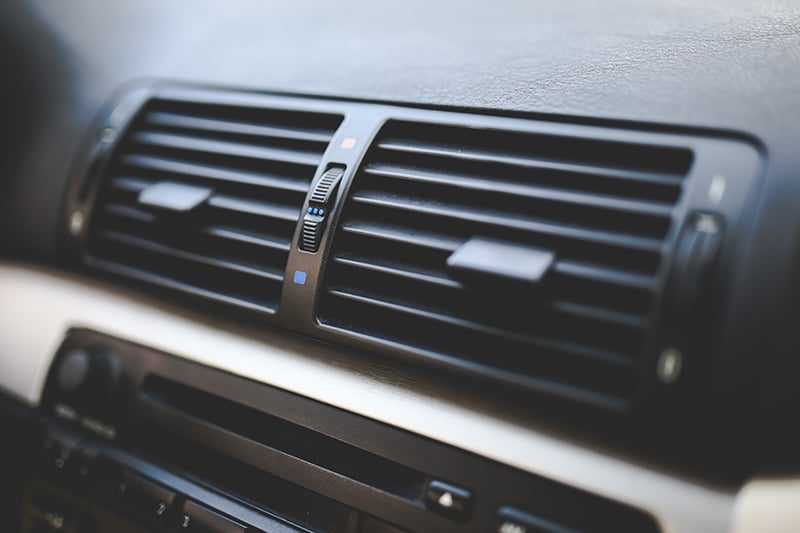
There’s nothing quite like climbing into your car on a freezing Colorado morning, cranking the heat, and getting nothing but cold air. If you live in Littleton or the surrounding areas, you know how brutal winter can get. A broken car heater isn’t just uncomfortable, it can make your daily commute downright miserable.
At Dakota Ridge Auto, we’ve helped countless local drivers get their heating systems back in working order. But before you head to the shop, there are a few things you can check yourself. Some heater problems have simple fixes, while others need professional attention. This guide will walk you through what to do when your car heater stops working, from basic troubleshooting steps to knowing when it’s time to bring your vehicle in for repairs.
We know this sounds obvious, but you’d be surprised how often a heater problem comes down to the thermostat. Before you assume something major is wrong, take a few minutes to verify the basics.
First, make sure your climate control is actually set to heat and not accidentally left on AC or vent mode. It happens more often than people like to admit, especially if someone else drove your car recently or if you bumped the controls without noticing.
Here’s what to check:
If everything looks correct but you’re still getting cold air, give it a few minutes after starting the engine. Your car’s heater relies on the engine warming up to produce heat. On especially cold mornings, this can take five to ten minutes. If you’ve been driving for a while and the air is still cold, that’s when you know something else is going on.
One more thing, if you have a dual-zone climate system, double-check that both sides are set properly. We’ve seen cases where one side was cranked to heat while the other was set to cold, causing confusion about whether the system was actually working.
Your car’s cabin air filter might not be the first thing you think of when your heater acts up, but a clogged filter can seriously restrict airflow. If the air coming out of your vents feels weak, whether it’s warm or cold, a dirty filter could be the culprit.
The cabin air filter catches dust, pollen, and debris before it enters your car’s interior. Over time, it gets clogged up, and that means less air can pass through. This affects both your AC and your heating system.
Most cabin air filters should be replaced every 15,000 to 30,000 miles, but if you drive on dirt roads frequently or live in an area with lots of dust and pollen, you might need to change it more often. Colorado’s dry climate and occasional dust can accelerate this buildup.
Checking the filter is usually pretty simple, on many vehicles, it’s located behind the glove box or under the hood. Your owner’s manual will tell you exactly where to find it. Pull it out and hold it up to the light. If you can barely see through it or it’s visibly dirty, it’s time for a replacement.
A new cabin air filter typically costs between and for the part itself, and it’s something many people can swap out on their own in just a few minutes. It’s one of those small maintenance items that makes a noticeable difference in how well your heating and cooling systems perform.
Electrical issues are another common reason car heaters fail, and they’re easy to overlook. Your vehicle’s heating system relies on several electrical components, the blower motor, control module, and various switches all need power to function properly.
Start by checking your fuse box. Your owner’s manual will have a diagram showing which fuse controls the blower motor or HVAC system. Pull the relevant fuse and inspect it. If the metal strip inside is broken or burned, you’ve found your problem. Replacing a blown fuse is cheap and easy, just make sure you use one with the correct amperage rating.
Here’s the thing, though: if the fuse keeps blowing after you replace it, that’s a sign of a deeper electrical problem. There could be a short circuit somewhere in the system, which is definitely something you’ll want a professional to diagnose.
The blower motor itself can also fail. This is the component that actually pushes air through your vents. If you turn on the heat and hear nothing, no fan noise at all, the blower motor might have gone out. Sometimes you’ll hear a clicking or humming sound before it fails completely, so pay attention to any unusual noises from your dashboard area.
At Dakota Ridge Auto, we use computerized diagnostics to track down electrical issues in the heating and cooling system. This lets us identify problems like faulty connections, worn wiring, or failing components without a lot of guesswork. Sometimes the fix is as simple as replacing a fuse or relay. Other times, it’s a blower motor replacement. Either way, proper diagnosis saves you time and money.
This section applies mainly to the engine side of things, but it’s worth mentioning because your car’s heater depends entirely on engine heat to work. Unlike your home furnace, which generates its own heat, a car heater uses hot coolant from the engine to warm the air.
If your engine isn’t reaching proper operating temperature, you won’t get much heat inside the cabin. There are a few reasons this might happen:
Low coolant levels: This is probably the most common cause of heater problems. If there’s not enough coolant in the system, there’s not enough hot fluid to flow through the heater core. Check your coolant reservoir when the engine is cold. If it’s below the minimum line, you’ll need to add more. But here’s the important part, if you’re constantly losing coolant, you have a leak somewhere that needs to be addressed.
Stuck thermostat: Your engine has a thermostat that regulates coolant flow. If it’s stuck open, the engine never fully warms up, which means lukewarm heat at best. If it’s stuck closed, the engine can overheat. Neither situation is good.
Heater core issues: The heater core is essentially a small radiator inside your dashboard. Hot coolant flows through it, and the blower motor pushes air across it to warm your cabin. If the heater core is clogged, leaking, or has air trapped in it, you’ll get weak or no heat. A telltale sign of a leaking heater core is a sweet smell inside the car (that’s the coolant) or foggy windows that won’t clear.
If you notice your temperature gauge taking longer than usual to reach normal operating range, or if it never quite gets there, that’s a sign something in the cooling system needs attention.
Sometimes the heating system is working perfectly fine, but the warm air just isn’t getting where it needs to go. Blocked or misdirected vents can make it seem like your heater isn’t working when the real issue is airflow.
Walk through this quick checklist:
The blend door is a small flap inside your HVAC system that directs airflow to different vents. If it’s broken or stuck, air might only come out of certain vents regardless of what mode you select. Blend door actuator problems are fairly common and can cause all sorts of weird symptoms, like heat only coming out of the defrost vents or air defaulting to cold even when heat is selected.
Another thing worth checking: your rear vents (if your vehicle has them). Sometimes the rear climate controls get set differently than the front, or the rear vents are closed off entirely. If passengers in the back seat are complaining about being cold, this might be why.
In Colorado, we deal with some pretty extreme temperature swings. Your car’s heating system works hard to keep up, especially during those frigid January mornings when temps drop into the single digits or below. Making sure air can flow freely makes a real difference in how quickly your car warms up.
Not every heater problem is a DIY fix. While checking your thermostat settings, replacing a cabin filter, or topping off coolant are things most car owners can handle, some issues require professional diagnosis and repair.
Here’s when it’s time to bring your car in:
Some symptoms indicate problems that shouldn’t be ignored. Pay attention to these warning signs:
Overheating engine: If your temperature gauge climbs into the red while your heater blows cold, you likely have a serious cooling system issue. This could be a failed water pump, stuck thermostat, or major coolant leak. Pull over safely and don’t continue driving, an overheating engine can cause expensive damage very quickly.
Coolant puddles under your car: Green, orange, or pink fluid under your vehicle means coolant is leaking somewhere. Track down the source before it leads to bigger problems.
White exhaust smoke: This can indicate a blown head gasket, which allows coolant to enter the combustion chambers. It’s a serious repair, but catching it early can prevent catastrophic engine damage.
Heater core replacement needs: If your heater core is leaking or severely clogged, it will need to be replaced. This is a labor-intensive job because the heater core sits behind the dashboard. It’s not cheap, but ignoring it means no heat and potential damage to your carpets and electrical components from leaking coolant.
When you bring your vehicle to a shop for heater problems, expect the technician to perform a cooling system inspection, check for leaks, verify thermostat operation, and test the blower motor and controls. At Dakota Ridge Auto, we use computerized diagnostics to look at the entire system, checking for leaks, damage, connection issues, and wear. Once we know what’s going on, we’ll explain everything before making any repairs.
A broken car heater is more than just an inconvenience in Colorado, it’s a safety issue. Driving in freezing temperatures without heat means fogged-up windows that won’t clear properly, which affects your visibility on the road. Plus, let’s be honest, nobody wants to suffer through a cold commute when there’s a fix available.
Many heater problems come down to simple issues: a misadjusted thermostat, a clogged cabin filter, low coolant, or a blown fuse. These are things you can often check and fix yourself. But when basic troubleshooting doesn’t solve the problem, it’s time to get professional help before a small issue turns into a bigger repair.
If your car heater has stopped working and you can’t figure out why, bring it by Dakota Ridge Auto in Littleton. We’ll diagnose the problem, walk you through what we find, and only make repairs once you’ve given the go-ahead. No surprises, no unnecessary work. Just honest service from a local shop that understands what Colorado winters demand from your vehicle.
Give us a call or stop by, we’ll get your heater working again so you can drive in comfort all winter long.
Start by checking your thermostat settings, verifying the fan is on, and ensuring the engine has warmed up for 5–10 minutes. If heat still doesn’t come through, inspect your cabin air filter, check coolant levels, and examine the fuse box for blown fuses. Persistent issues may require professional diagnosis.
Common causes include low coolant levels, a stuck thermostat, a clogged heater core, or a faulty blower motor. Your car heater relies on hot engine coolant to produce warm air, so if the engine isn’t reaching proper operating temperature or coolant can’t circulate, you’ll only get cold air.
Signs of a failing heater core include a sweet antifreeze smell inside the cabin, foggy windows that won’t clear, weak or no heat from the vents, and damp carpeting on the passenger side. If you notice coolant loss without visible external leaks, the heater core may be leaking internally.
Yes, a clogged cabin air filter restricts airflow through your vents, making heat output feel weak even when the system works properly. Most filters should be replaced every 15,000 to 30,000 miles. Checking and replacing the filter is a quick, inexpensive fix that improves heating and cooling performance.
Repair costs vary widely depending on the issue. Simple fixes like replacing a fuse or cabin air filter cost –. Blower motor replacement typically runs $150–$400. Heater core replacement is more expensive, often $500–$1,000 or more, due to the labor-intensive dashboard removal required.
Seek professional help if basic troubleshooting fails, you’re losing coolant without visible leaks, you smell antifreeze inside the car, hear grinding or squealing from the blower, or your engine overheats while the heater blows cold. These symptoms indicate serious issues requiring expert diagnosis.
Bring it by and we will tell you what it needs and what it does not. No charge to look, no pressure either way.
Open Monday through Friday, 8:00am to 5:30pm. Courtesy shuttle within about five miles.